
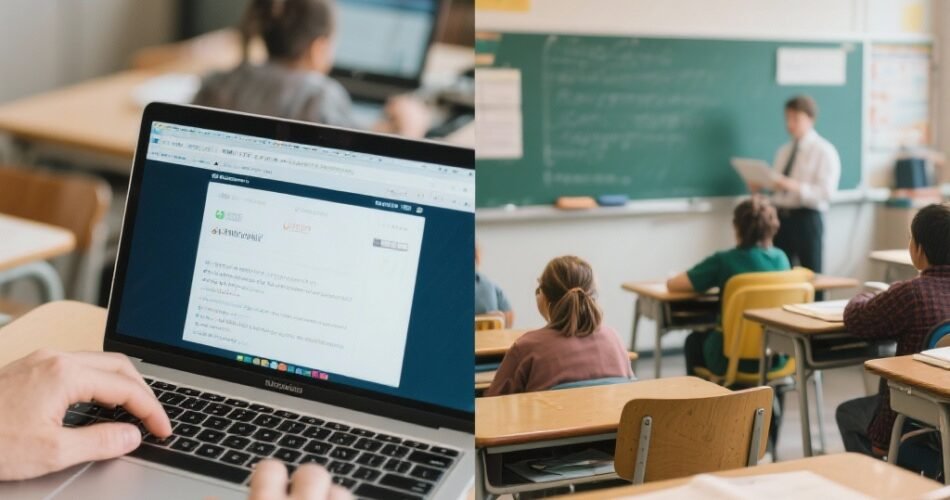
Education has evolved significantly over the years, and one of the biggest changes has been the rise of online learning. Traditional offline learning, where students attend classes physically, is still widely popular. But with advancements in technology, online learning has become a strong competitor. In this article, we will explain the differences between online learning and offline learning, their benefits, challenges, and which might be best for you.
What is Online Learning?
Online learning, also called e-learning, is a method of studying where students use the internet to access educational content. It can include video lectures, interactive quizzes, webinars, and even virtual classrooms. Students can learn from anywhere, at any time, using devices like computers, tablets, or smartphones.
Key Features of Online Learning:
-
Flexible schedule
-
Access to global resources
-
Self-paced learning options
-
Interactive tools like discussion forums and quizzes
-
Digital certifications
Online learning platforms include Coursera, Udemy, Khan Academy, and edX, among others.
What is Offline Learning?
Offline learning refers to traditional, in-person education, where students attend classes physically in schools, colleges, or universities. The teacher interacts directly with the students, providing lectures, guidance, and assessments.
Key Features of Offline Learning:
-
Direct interaction with teachers and peers
-
Structured learning schedule
-
Hands-on experiences in labs or workshops
-
Real-time feedback and support
-
Social learning environment
Offline learning has been the foundation of education for centuries, and many still prefer it for its personal touch.
Differences Between Online and Offline Learning
| Feature | Online Learning | Offline Learning |
|---|---|---|
| Location | Anywhere with internet access | Fixed classroom or campus |
| Flexibility | Learn anytime, self-paced | Fixed schedule, requires presence |
| Interaction | Virtual interaction, discussion boards | Face-to-face communication, immediate feedback |
| Cost | Often cheaper, no travel expenses | Can be expensive due to tuition, travel, materials |
| Resources | Digital content, videos, e-books | Books, printed materials, labs |
| Learning Style | Self-motivated, independent | Guided learning, structured environment |
| Assessment | Online tests, assignments | Written exams, practical tests |
Advantages of Online Learning
-
Flexibility and Convenience: Students can study anytime and anywhere. Perfect for working professionals or people with other commitments.
-
Access to Global Courses: You can enroll in courses offered by top universities worldwide without leaving your home.
-
Cost-Effective: Many online courses are free or affordable, saving on travel, accommodation, and course fees.
-
Self-Paced Learning: Learn at your own speed, revisiting lectures and resources as needed.
-
Wide Range of Tools: Interactive quizzes, forums, videos, and digital materials enhance learning.
Advantages of Offline Learning
-
Direct Interaction: Immediate communication with teachers helps clarify doubts instantly.
-
Structured Environment: Classes are scheduled, which helps students maintain discipline.
-
Hands-On Experience: Labs, workshops, and practical sessions offer real-world experience.
-
Social Skills Development: Interaction with peers improves teamwork, communication, and collaboration.
-
Better Engagement: Physical presence can improve focus and reduce distractions compared to online environments.
Challenges of Online Learning
-
Requires self-discipline and motivation.
-
Limited social interaction can feel isolating.
-
Technical issues like poor internet can disrupt learning.
-
Not suitable for courses requiring hands-on practice.
Challenges of Offline Learning
-
Less flexibility in schedule and location.
-
Often more expensive due to travel, accommodation, and course fees.
-
Limited access to global resources.
-
Fixed pace may not suit everyone’s learning speed.
Which is Better: Online or Offline Learning?
There is no one-size-fits-all answer. The choice depends on your learning style, goals, and lifestyle:
-
Choose online learning if you prefer flexibility, want access to global courses, or cannot attend physical classes.
-
Choose offline learning if you need direct interaction, hands-on experience, or a structured environment.
Many students now adopt a hybrid approach, combining online and offline methods to get the best of both worlds.
Tips for Effective Online Learning
-
Create a dedicated study space.
-
Set a daily learning schedule.
-
Minimize distractions.
-
Engage actively in forums and discussions.
-
Take regular breaks to avoid burnout.
Tips for Effective Offline Learning
-
Attend classes regularly and participate actively.
-
Take organized notes for revision.
-
Collaborate with classmates for group studies.
-
Ask questions whenever in doubt.
-
Balance studies with physical and social activities.
FAQs About Online vs Offline Learning
Q1: Is online learning as effective as offline learning?
A: Yes, if you stay disciplined, actively participate, and use resources effectively, online learning can be equally effective.
Q2: Can I get certificates online that are recognized?
A: Many online platforms provide certificates recognized by employers and universities. Examples include Coursera, edX, and LinkedIn Learning.
Q3: Which method is cheaper, online or offline learning?
A: Online learning is generally cheaper since it saves on travel, accommodation, and some course fees.
Q4: Do offline learners have an advantage in social skills?
A: Yes, offline learning encourages direct interaction, improving teamwork and communication skills.
Q5: Can I combine both online and offline learning?
A: Absolutely! A hybrid approach often gives the flexibility of online learning with the engagement of offline learning.
Conclusion
Both online and offline learning have their unique advantages and challenges. Online learning offers flexibility and accessibility, while offline learning provides personal interaction and structured guidance. The best approach depends on your personal needs and learning style. For most students today, a hybrid approach combining the best aspects of both worlds is often the ideal solution.
Choosing the right method can make learning more effective, enjoyable, and aligned with your goals.