
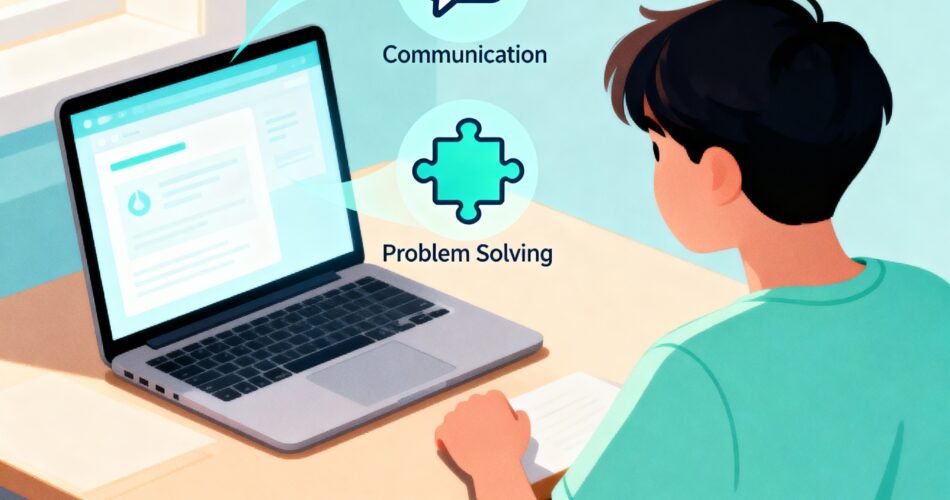
Education is more than just memorizing textbooks or passing exams. In today’s rapidly changing world, students need a set of practical skills that will prepare them not only for academics but also for life, careers, and personal growth. Whether you are a high school student, college-goer, or learning online, developing the right skills can make a huge difference in your future.
Here’s a comprehensive guide to the top skills every student should learn and how they can benefit your life.
1. Communication Skills
Good communication is essential in every area of life. Students who can clearly express their ideas, listen actively, and interact confidently have a significant advantage.
-
Why it matters: Strong communication skills help in group projects, presentations, interviews, and building professional relationships.
-
How to improve: Practice public speaking, engage in debates, write regularly, and seek feedback from teachers or peers.
2. Critical Thinking and Problem-Solving
Critical thinking is the ability to analyze information, make logical decisions, and solve problems efficiently.
-
Why it matters: Employers, teachers, and society value students who can approach challenges creatively and find solutions independently.
-
How to improve: Play strategy games, analyze case studies, ask questions, and practice problem-solving exercises.
3. Time Management
Managing time effectively is a skill that ensures students meet deadlines, balance academics with hobbies, and reduce stress.
-
Why it matters: Time management prevents procrastination and improves productivity.
-
How to improve: Use planners or digital calendars, prioritize tasks, break projects into smaller steps, and set deadlines.
4. Digital Literacy
In the modern world, being tech-savvy is no longer optional. Digital literacy includes using computers, software, and online resources effectively.
-
Why it matters: Most educational and professional tasks require knowledge of digital tools and online research.
-
How to improve: Learn basic coding, explore Microsoft Office or Google Workspace, practice online research, and stay updated with technology trends.
5. Financial Literacy
Understanding money management, budgeting, and saving is crucial for students, even at a young age.
-
Why it matters: Financially literate students are better prepared for college expenses, part-time jobs, and managing personal finances in the future.
-
How to improve: Learn budgeting apps, read books on personal finance, and practice tracking your expenses.
6. Adaptability and Flexibility
The ability to adapt to new environments, challenges, and changes is key in a world that is constantly evolving.
-
Why it matters: Adaptable students can handle unexpected situations, switch learning strategies, and thrive under pressure.
-
How to improve: Try new activities, embrace change positively, and learn from failures instead of fearing them.
7. Teamwork and Collaboration
No student succeeds entirely on their own. Learning to work in teams is vital for school, college, and later in the workplace.
-
Why it matters: Teamwork builds social skills, empathy, and the ability to achieve shared goals.
-
How to improve: Participate in group projects, join clubs, and practice active listening and cooperation.
Featured image prompt:
“A diverse group of students working together on a project, sharing ideas, smiling, and collaborating effectively.”
8. Creativity and Innovation
Creativity isn’t just for artists; it’s the ability to think outside the box and find unique solutions.
-
Why it matters: Innovative thinking helps in academics, problem-solving, and future careers that value original ideas.
-
How to improve: Explore hobbies like drawing, writing, coding, or inventing small projects. Brainstorm regularly and challenge yourself with new perspectives.
9. Emotional Intelligence
Emotional intelligence (EQ) is understanding and managing your own emotions while empathizing with others.
-
Why it matters: Students with high EQ handle stress, conflicts, and teamwork more effectively.
-
How to improve: Practice mindfulness, reflect on your emotions, and engage in empathetic conversations with peers.
10. Research and Learning Skills
Being a lifelong learner is a critical skill in a knowledge-driven world. Research skills allow students to learn efficiently and deeply.
-
Why it matters: Students who can independently gather, evaluate, and apply knowledge excel in academics and self-development.
-
How to improve: Use reliable sources, practice summarizing information, and stay curious about new topics.
FAQs
Q1: At what age should students start learning these skills?
A: Many of these skills can be introduced as early as middle school. The earlier students start, the easier it is to integrate them into daily life.
Q2: Can these skills be self-taught?
A: Yes! Many skills like digital literacy, time management, or financial literacy can be learned independently with online resources, books, and practice.
Q3: Which skill is the most important for students?
A: While all skills are valuable, communication and critical thinking often have the biggest impact on academic and professional success.
Q4: How can schools help students develop these skills?
A: Schools can incorporate project-based learning, group activities, technology classes, and workshops to help students practice these essential skills.
Q5: Are these skills only for academic success?
A: No. These skills are useful in daily life, personal relationships, and future careers, making students well-rounded and capable individuals.
Conclusion
Developing these skills early gives students a competitive edge in academics, personal life, and future careers. While grades are important, mastering communication, critical thinking, creativity, and emotional intelligence ensures long-term success. Remember, learning these skills is a continuous journey—start small, practice consistently, and watch yourself grow into a confident, capable individual.