
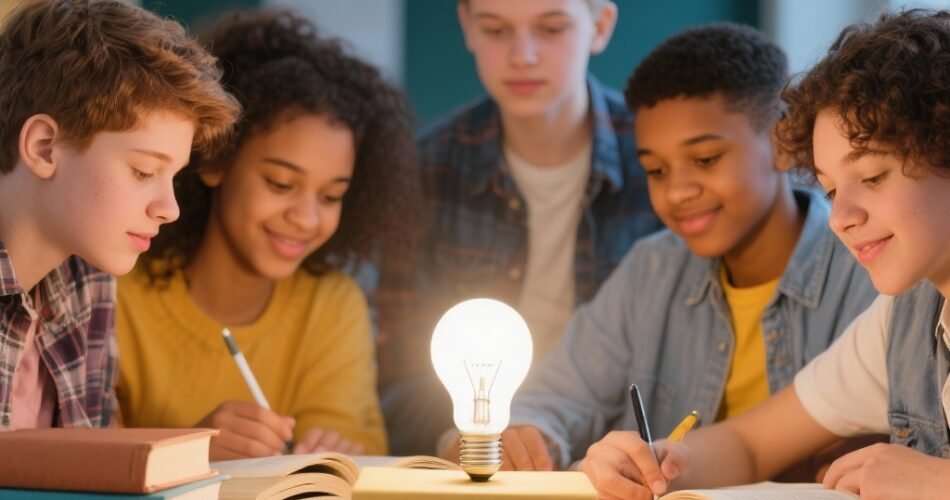
Education is one of the most essential elements of human life. It shapes the mind, personality, and future of individuals, and plays a vital role in building strong and prosperous societies. In this article, we will explore what education is, why it is important, and how it impacts our lives in multiple ways.
What Is Education?
Education is the process of acquiring knowledge, skills, values, beliefs, and habits. It is not limited to schools or colleges—it happens throughout life in various forms, including formal education, informal learning, and self-study. Education can take many forms:
-
Formal Education: Structured learning in schools, colleges, universities, or vocational institutions.
-
Informal Education: Learning from everyday experiences, interactions, observation, and practice.
-
Non-formal Education: Community programs, workshops, online courses, and skill development programs outside the traditional school system.
In essence, education is the key to understanding the world, making informed decisions, and improving oneself and society.
Why Is Education Important?
Education is crucial not only for personal growth but also for the development of society. Its importance can be seen in many areas:
1. Personal Development
Education helps individuals develop critical thinking, problem-solving skills, and emotional intelligence. It improves self-confidence and enables people to make informed decisions in life.
2. Economic Benefits
Educated individuals are more likely to find better job opportunities, earn higher incomes, and contribute positively to the economy. Countries with higher literacy rates tend to have stronger economies and lower poverty levels.
3. Social Benefits
Education promotes social harmony, tolerance, and understanding. It helps individuals respect others’ opinions, traditions, and cultures, fostering peace and cooperation in society.
4. Health and Well-being
Education increases awareness about health, hygiene, nutrition, and lifestyle choices. Educated people are more likely to adopt healthy habits and prevent diseases.
5. Empowerment
Education empowers individuals to challenge injustice, stand up for their rights, and make meaningful contributions to their communities. It is especially crucial for empowering women and marginalized groups.
6. Technological and Scientific Advancement
Education drives innovation. Scientists, engineers, doctors, and researchers rely on knowledge and continuous learning to develop new technologies, medicines, and solutions that improve life quality.
Types of Education
Education can be classified into several categories:
-
Primary Education: Focuses on basic reading, writing, and arithmetic skills.
-
Secondary Education: Builds on primary education and prepares students for higher studies or vocational training.
-
Higher Education: Advanced learning in universities or specialized institutions.
-
Vocational Education: Practical training for specific trades or professions.
-
Lifelong Learning: Continuous education through personal study, online courses, or professional development programs.
How Education Shapes Our Future
Education is a foundation for a brighter future. It prepares individuals to face life’s challenges, understand global issues, and actively contribute to society. An educated population drives innovation, reduces inequality, and strengthens democracy.
In today’s competitive world, education is more important than ever. With the rise of technology and globalization, lifelong learning is essential for keeping up with changes and seizing new opportunities.
FAQs About Education
Q1: Can education happen outside of school?
Yes, education is not limited to formal institutions. Learning happens everywhere—at home, in the community, through work experiences, and even online.
Q2: Why is education important for children?
Education builds the foundation for children’s intellectual, social, and emotional growth. It equips them with skills for a successful future.
Q3: What is the role of teachers in education?
Teachers guide, inspire, and mentor students. They help students develop knowledge, critical thinking, and ethical values.
Q4: How does education benefit society?
Educated individuals promote peace, social justice, economic growth, and innovation. Societies with higher education levels experience better governance and improved quality of life.
Q5: Is education only about academics?
No, education also involves developing life skills, social awareness, emotional intelligence, and moral values.
Conclusion
Education is much more than textbooks and exams—it is a lifelong journey that shapes individuals and societies. Its benefits are countless: personal growth, economic prosperity, social harmony, health, empowerment, and progress.
Investing in education is investing in the future. Whether through formal schooling, self-study, or community learning, education equips us with the tools to lead meaningful and successful lives.
No matter your age or background, learning should never stop because education is the key to unlocking a brighter tomorrow.